 ™
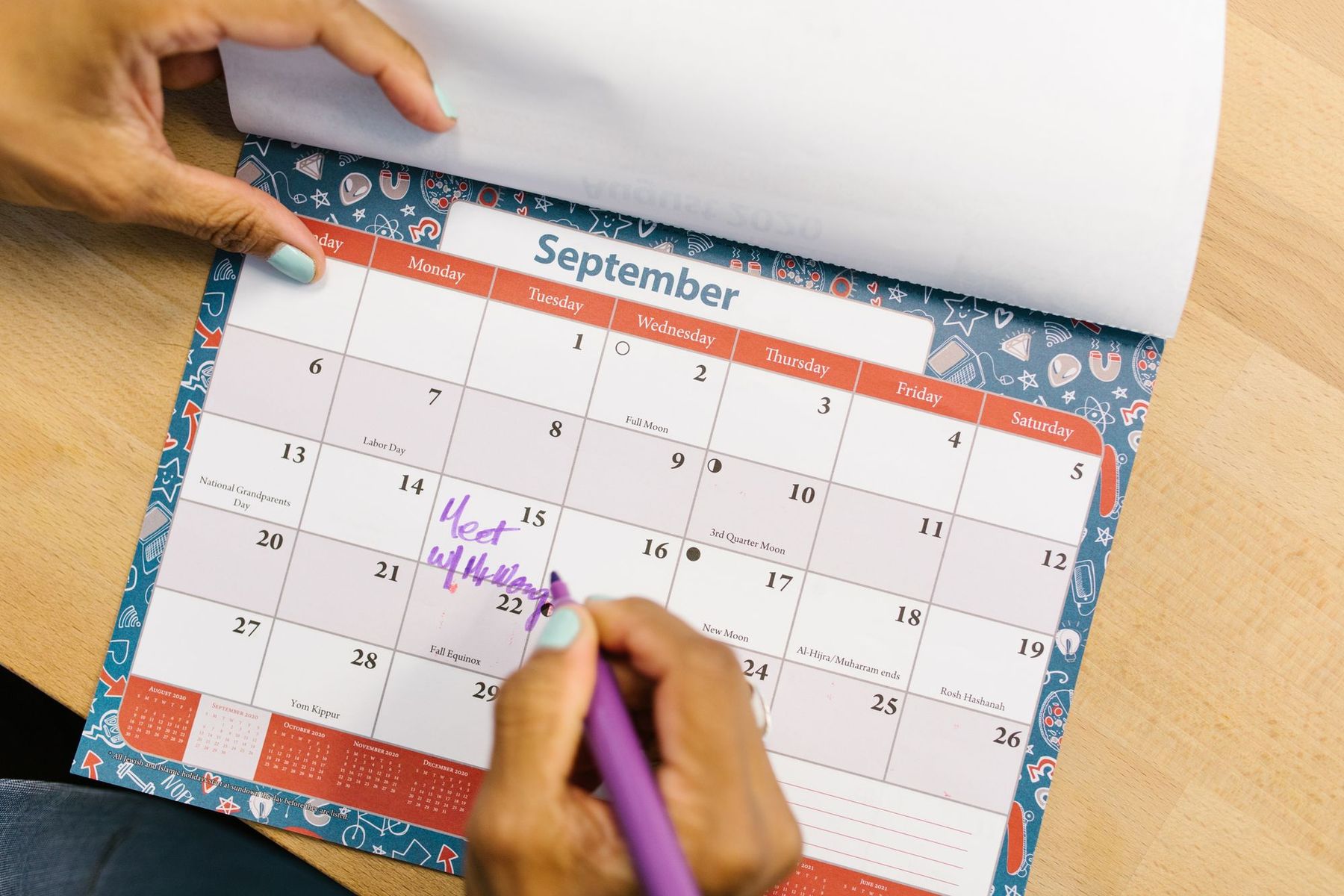
Should customers be able to book directly on your website, or should they book a call first? It is a common question for service businesses, and the answer is not the same for everyone. The right choice depends on what you sell, how much it varies, and how much a customer needs to know before committing.
This article walks through when direct online booking works best, when a call first makes more sense, and how some businesses use both.
01When direct online booking makes sense
Direct booking works best when the service is clear, standard and priced up front. The customer already knows what they want, and there is little to discuss before the appointment.
Examples include:
- A haircut, massage or other appointment with a set length and price.
- A dental cleaning or routine checkup for existing patients.
- A fitness class, intro session or consultation with a fixed format.
- An oil change or standard maintenance visit.
In these cases, a call is often an extra step that slows people down. Letting customers pick a time on their own, at any hour, removes friction. It also captures people who are browsing late at night and would never call.
02When a call first makes more sense
A call first works better when the job varies a lot, the price depends on details, or the customer needs guidance to choose the right service.
Examples include:
- Remodeling, roofing and other projects where scope changes the price.
- Legal, financial and consulting services where fit matters.
- Coaching and higher-priced programs, where a discovery call helps both sides decide.
- Marketing, design or software projects with custom scope.
Here, sending someone straight to a calendar for the service itself can cause problems. They might book the wrong thing, or show up expecting a price you cannot give without more information. A short call, booked online, lets you understand the situation first.
Note that "book a call" is still online booking. The difference is what gets booked: the service itself, or a conversation about the service.
03Questions to help you decide
- Can a customer choose the right service without talking to you? If yes, direct booking is likely fine.
- Is the price fixed or a narrow range? Fixed prices suit direct booking. Wide ranges suit a call first.
- Do you need to see or assess something before the job? If yes, consider booking an estimate or assessment instead of the job.
- How costly is a wrong booking? If a wrong booking wastes a two-hour slot or a truck roll, a call or short intake form first makes sense.
04The hybrid: book the first step online
Many businesses use both. Existing customers book routine services directly. New customers, or anyone with a complex request, book a call, estimate or consultation. The website shows both options clearly, with plain labels such as "Book a cleaning" and "Book a free estimate."
Another common hybrid is a short intake form followed by booking. The customer answers two or three questions, such as the type of job and the address, and the booking page then shows only the appropriate options. This keeps the speed of online booking while avoiding the wrong appointment.
05Either way, keep the booking step short
Whether customers book a service or a call, the booking page itself should be quick to finish. Ask only what you need to confirm the appointment. Show times in the customer's time zone. Send a clear confirmation right away. How to Set Up a Booking Page People Actually Finish walks through the details.
06Make the button match the step
The words on your website should say exactly what happens next. "Book a free 20-minute call" sets clear expectations. "Get started" or "Learn more" does not. Why Book a Call Works Better Than Learn More covers why that matters.
If you offer both direct booking and a call, make it obvious which is which, and who each is for.
07Reduce no-shows with confirmations and reminders
Online booking makes it easy to book, which also makes it easy to forget. Confirmations and reminders help. For calls, include the phone number or video link and a sentence about what the call covers. For services, include the address, what to bring, and how to reschedule. The No-Show Reminder guide has wording you can adapt.
08Test it, then measure
Try booking as a customer, on a phone, from start to finish. Then watch a few numbers for a month: how many people start booking, how many finish, how many show up, and how many become paying customers.
If many people start but do not finish, the booking step is too long. If many book but do not show, look at reminders. If many show but do not buy, a call first might filter better.
The right booking setup is the one that gets the right customers to the right first step with the least friction.
Want help choosing and building the right booking step?
andwright™ builds booking pages, calendars and the reminders behind them, matched to how your business actually sells. Book a strategy call and we will help you pick the right first step.


